
Las Cruces Previous Residents Sources
Earlier occupants and owners do not appear in one continuous public list. A responsible address history separates the property record from the historical material that gives it context. The County property account and Clerk recording trail are the best bridge from a modern address to an earlier instrument. Period sources can illuminate the building, street, business, family, or neighborhood, but each collection has its own dates and access limits. Where research did not establish a local directory run or online recording range, the table says so rather than supplying an estimate.
| Source | Years It Covers | Where Held | What It Shows |
|---|---|---|---|
| Digital Sanborn Maps New Mexico | 1867-1970 | Thomas Branigan Memorial Library research resources | Built-environment and block-change context, not current occupancy. |
| Amador Family Papers correspondence | 1861 into the 1940s | NMSU Archives and Special Collections | Digitized local correspondence, scenes, photographs, and business records. |
| Amador trade catalogs | 1873-1942 | NMSU Archives and Special Collections | Commercial and place context for local research. |
| State Archives county records | Generally 1850-1912 | New Mexico Archives Heritage Search | Finding-aid route to county and Territorial-era material. |
| County Clerk Documents Online | Exact online coverage not established | Doña Ana County Clerk | Guest or registered gateway for official-record research and Clerk follow-up. |
| Las Cruces city or criss-cross directories | Local year run not verified | Thomas Branigan staff and NMSU Archives | A dated address clue if a specific volume is confirmed. |
Start with the source closest to the question. Use the parcel and transfer trail for an ownership or legal-description question. Use Sanborn and newspapers to understand physical change and local vocabulary. Ask the library or archives to confirm the exact directory title, date, format, call number, and access rules before treating it as an address source.
Start Las Cruces Past Residents With a Parcel
Begin the backward trail with a modern parcel, not a person name. In Doña Ana County EagleWeb or County Parcel Lookup, capture the exact situs formatting, account number, parcel number, legal summary, tax area, subdivision or lot and block if shown, and the transfer-record pointers. The GIS viewer adds geometry, road context, incorporated-boundary context, map code, and an assessor link. Retain both the account and parcel identifiers because the two County tools may refresh on different schedules.
Read the EagleWeb account in sequence: situs address, parcel number, legal summary, tax area or neighborhood, current deed-holder label, assessment history, transfer history, and GIS link. The legal summary is not the complete legal description. When the full description or exact instrument language matters, the Clerk record is the controlling next stop.
For an address that does not match, remove the unit, try a directional or suffix variation, select the road suggestion in GIS, or use a known account or parcel number. A replat, multi-unit property, changed street name, or unassigned situs address can all make an otherwise reasonable text search fail.
Las Cruces Previous Residents Transfer Leads
EagleWeb’s transfer panel is designed to help an address researcher locate the next official record. It can display record sequence, reception number, book/page, sale date, grantor, grantee, document type, parcel number, and an assessor remark. Preserve the headings as shown, along with the account and parcel. A transfer date may be important for the chain, but it is not an occupancy date.
The Doña Ana County Clerk page provides the office’s copy-request and fee links. Its Documents Online gateway offers Guest and registered entry, while detailed index fields, image access, fees, and coverage were not observed in this research session.
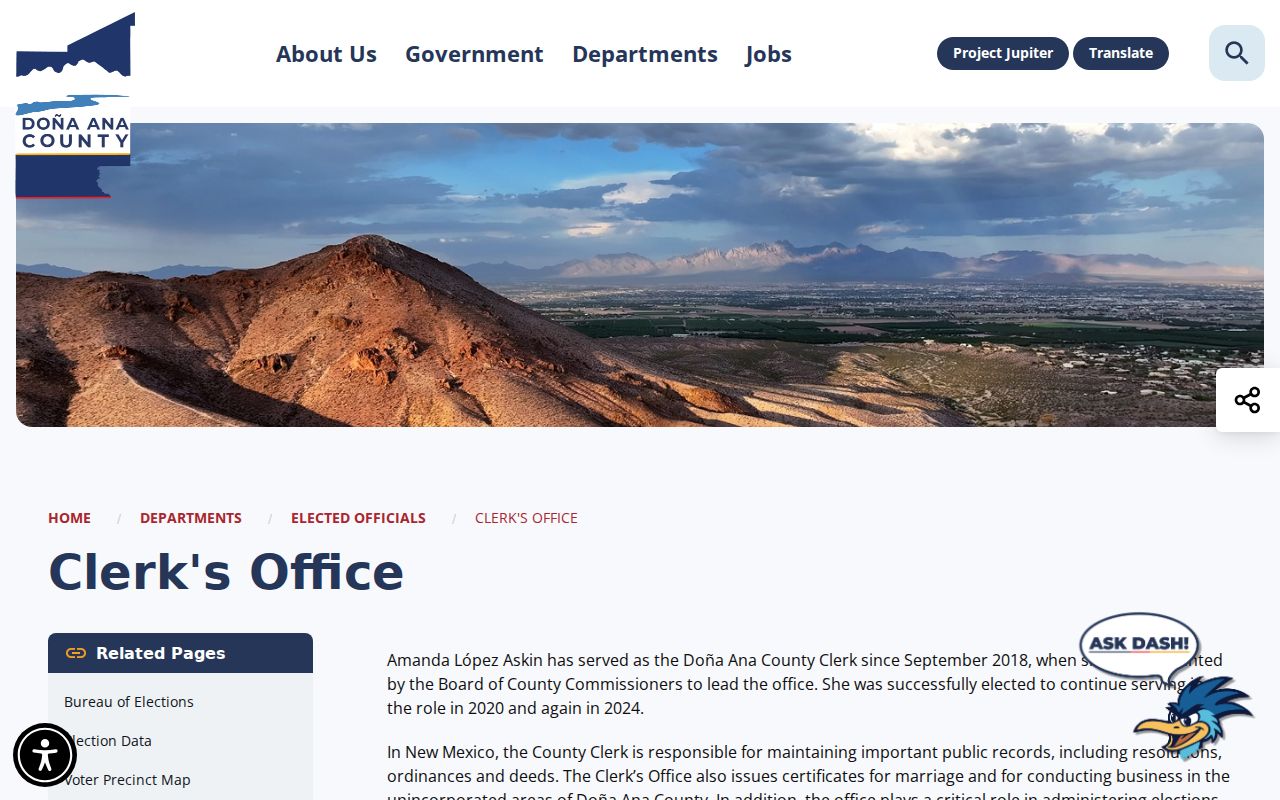
Use the copy-request route when a known reception number needs confirmation, rather than assuming that the accessible index page displays the required document detail.
Trace Previous Residents Through Deeds
Once a transfer lead is identified, the title sequence can move backward one instrument at a time. The method is deliberately document-centered. It does not assume that a deed holder was a resident, and it does not turn a mailing address into proof of presence. If the property history relates to an estate, compare the relevant dates with the appropriate probate route while respecting the access limits of court and vital records.
- Record the current situs address, account, parcel, legal summary, and most recent transfer heading from the assessor account.
- Use the reception number, book/page where shown, grantor, grantee, document type, and approximate recording date to request or inspect the Clerk instrument.
- From the verified instrument, preserve the legal description and the party naming form used by the record.
- Use the earlier party and legal description to locate the preceding instrument, then repeat the verification step rather than relying on an assessor label alone.
- When the sequence breaks, retain the last confirmed and next known record and ask the Clerk for focused index or copy assistance.
- Grantor
- The party transferring an interest in a recorded instrument.
- Grantee
- The party receiving that interest in the instrument.
- Chain of title
- The documented sequence of instruments used to trace property interests through time.
- Legal description
- The parcel description used in the instrument. It is more durable than a street label when a number, unit, or road name changes.
Las Cruces Previous Residents Address Forks
A replat is a research fork, not a dead end. A modern house number may sit on a changed lot, a subdivision may have been revised, or a historical source may use a different street name or directional form. Other possible breaks include a correction instrument, estate proceeding, trust or entity naming, data migration, and an address associated with several units or parcels. The right response is to document the change rather than bridge it with a name match.
Keep the old and new legal clues side by side: street label, lot, block, subdivision, map code, account, parcel, and transfer identifiers. Ask the Clerk for the most specific known prior or next instrument. The County map can supply useful geometry and road context, but it is not a survey and cannot determine a legal boundary.
Note: A history with an identified gap is more useful than a smooth-looking sequence built from unverified address matches.
Las Cruces Previous Residents on Maps
Use physical-place sources after the recorded trail is anchored. Thomas Branigan Memorial Library lists Digital Sanborn Maps New Mexico with coverage from 1867 through 1970, along with historical New Mexico newspaper resources and genealogy sources. Sanborn sheets are best for learning about the built environment and block changes. They do not identify a current occupant or replace a property’s legal chain.
Newspapers are a useful place-and-time cross-check. Search the street, block, business, church, school, road, or surname with alternate spellings. A notice may confirm an event or supply vocabulary for an archive search, but editorial and typographical errors are possible. Compare any result against the period map, parcel information, and the date of the source.
The New Mexico Archives Heritage Search is the State Archives finding-aid route for a road, family, business, or place query. Request a specific box, folder, or item after checking its access status and citation details.
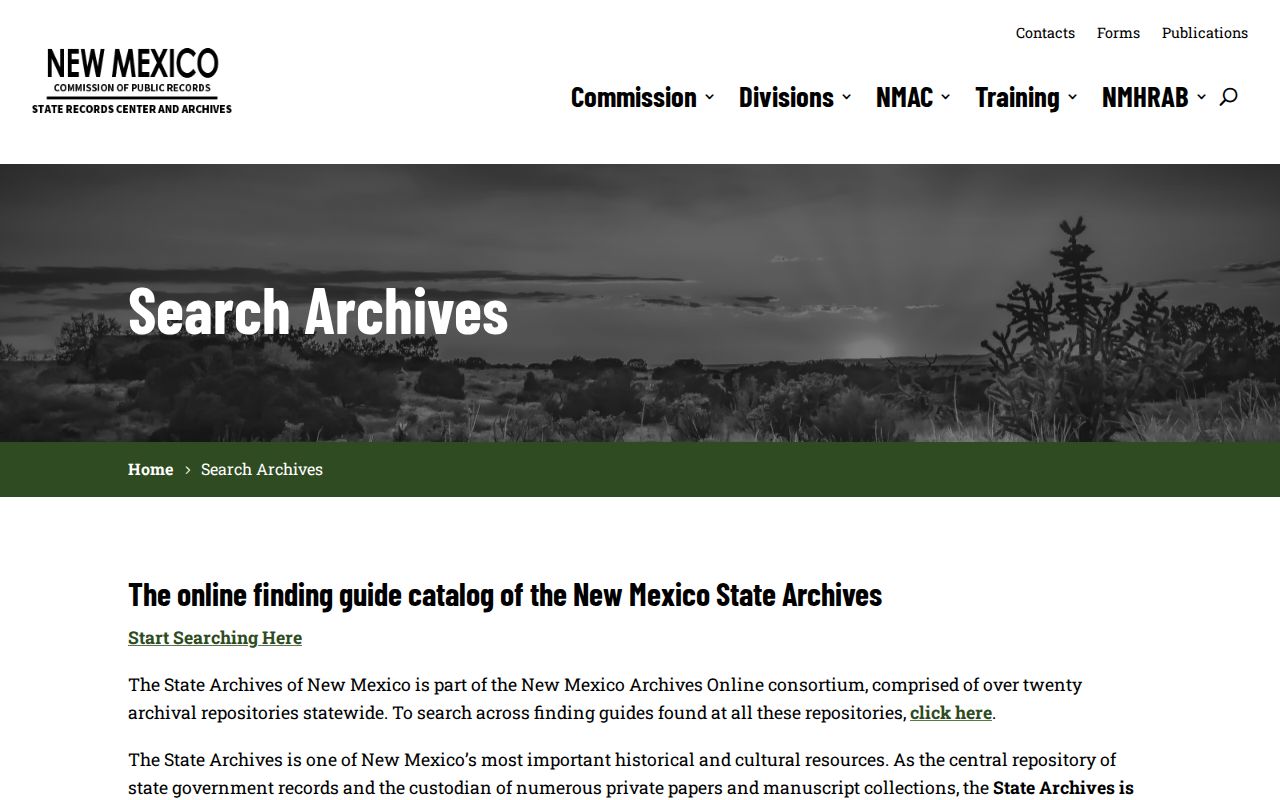
A collection description is not a document image, so the finding aid is the start of a request rather than proof that a particular address appears in a record.
Las Cruces Past Residents in Period Sources
Period sources work best as a second, documented flow. No official Las Cruces web page located in this research established a year-by-year city-directory or reverse-directory shelf. Contact Thomas Branigan reference staff or NMSU Archives with a street or block, surname variants, date window, and request for the exact title, years, call number, format, copying rules, and whether a volume is alphabetical or criss-cross. A reverse directory is an address clue at one publication date, not a current-address authority.
Pair the sources in this order: verified parcel and legal summary, period map or newspaper search, repository finding aid, confirmed directory or census material if available, then comparison with the dated property trail. State Archives guidance points researchers toward census materials, church records, and published family histories. If a period newspaper carries an obituary, use it as a dated cross-check and confirm the relevant record with the appropriate custodian. Confirm the actual item and access conditions with the repository before recording it as evidence.
NMSU Archives and Special Collections is in Branson Hall, fourth floor east, with research-room hours listed as Monday through Friday, 9 to 4, and information hours from 1 to 4 or by appointment. The Amador papers include more than 16,000 pages of digitized correspondence, over 1,300 searchable images, local scenes, business records, and regional newspapers. A finding aid should be checked before a visit because not every item is online.
Las Cruces Previous Residents and Mesilla
Older county research can follow a different custody trail than a modern Las Cruces address suggests. City history notes that Mesilla was the county seat when Doña Ana County formed in 1852, while current County offices are in Las Cruces. For an older reference, follow the record date and named custodian instead of assuming that the present office location identifies every historical file.
The Third Judicial District Court is the local district-court access point for Doña Ana County. Probate matters may require court information in addition to the later recording trail, and a death-related property transition can also involve restricted vital-record eligibility. Each system has a different purpose and access rule.
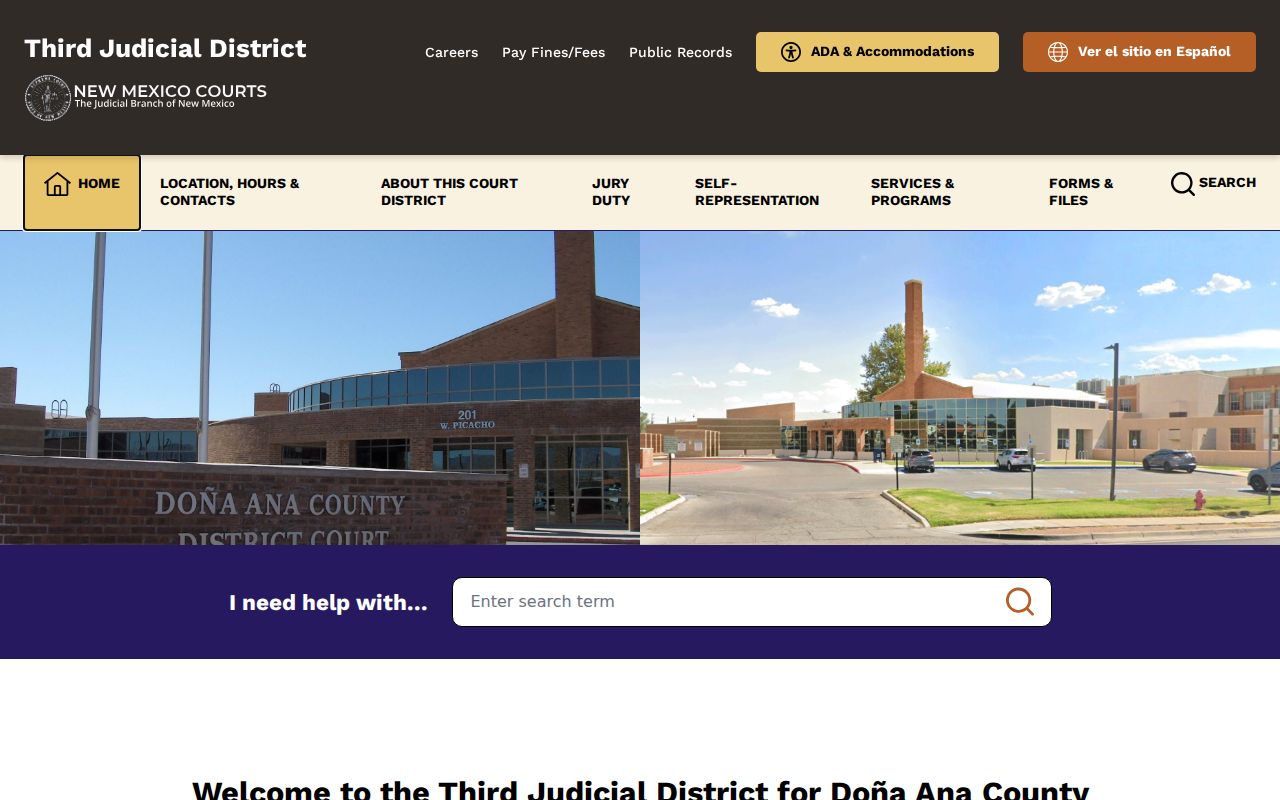
The court is one of several possible custodians in a property timeline, not a replacement for the Clerk’s official-record verification.
Las Cruces Previous Residents Court Routes
Keep court systems distinct from the parcel and deed sequence. The federal court has a separate Las Cruces access point, while County recordings remain with the County Clerk and local district-court matters have their own route. A federal location is not evidence that a property history belongs in federal court. Custody depends on the record type, court, and date.
The U.S. District Court Las Cruces location page identifies the separate federal courthouse and public access route. PACER requires registration and can generate charges, while the federal courthouse supplies a no-cost viewing option. Use that path only when the question is genuinely a federal case record.
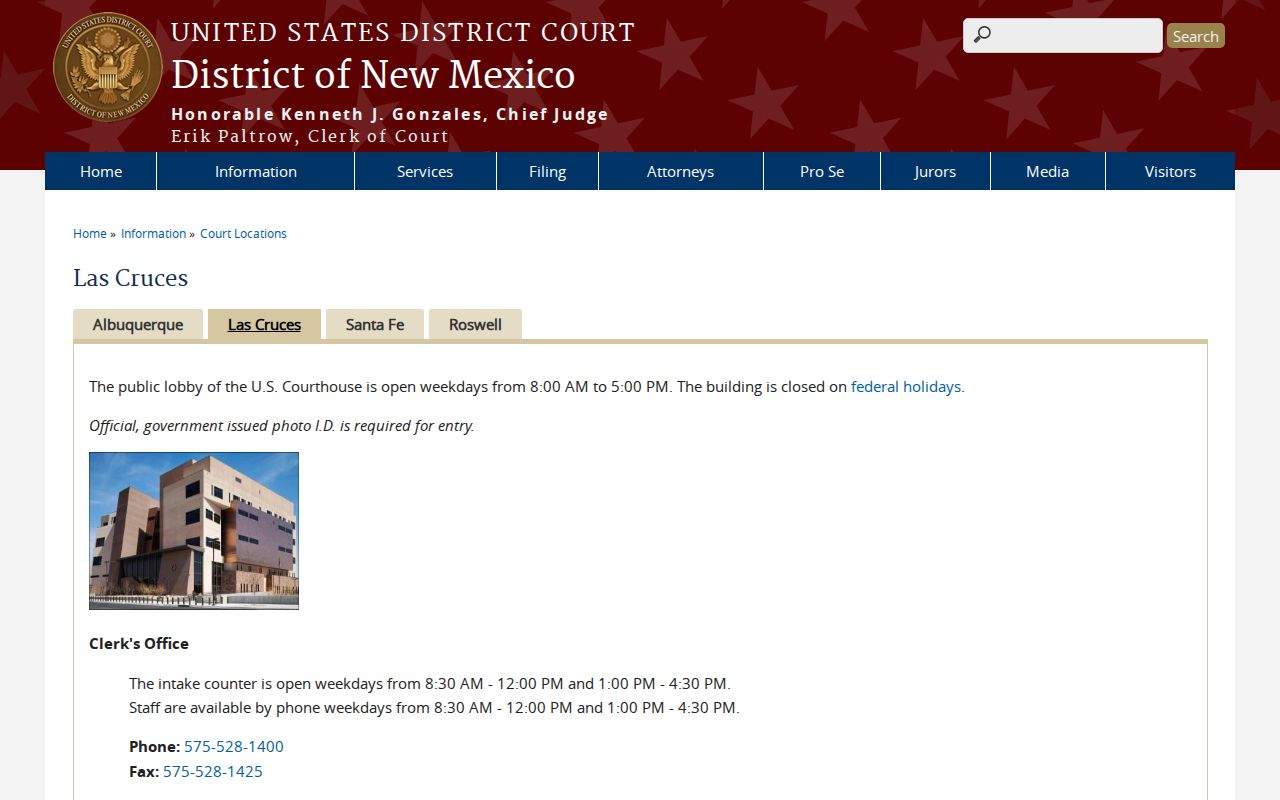
The separate federal location underscores why an address history should name the exact custodian instead of treating all court and land records as one system.
Respecting Las Cruces Previous Residents
Previous residents research is strongest for house history, family history, estate questions, and verifying the source behind a property record. It is not a complete chronology of private life. A deed can document an instrument. A map can document a physical setting. A newspaper can document a dated notice. None should be stretched into proof of a person’s full residential history.
When a record must be requested, name the custodian, date range, address or parcel, record category, preferred inspection or copy format, and contact information. New Mexico IPRA requests should be reasonably particular, and neither City nor County staff should be asked to create a timeline they do not maintain.