
Start a Las Cruces Residents Search
A useful Las Cruces residents directory search begins by matching the question to a custodian. An address question belongs first with the Doña Ana County Assessor or County Parcel Lookup. A recording question belongs with the Doña Ana County Clerk. A City permit or council record belongs with the Las Cruces City Clerk or the relevant City department. A court name hit is an index lead, not a document or an identity match. Keep the date searched and the identifier that each system returns.
Property records usually offer the cleanest starting point when an address is known. A name can appear in several systems with different meanings, while an account number, parcel number, reception number, or case number gives the next office something concrete to find. Historical work needs the same care. A printed directory, a newspaper item, and a deed can place a name in related contexts, but none should be stretched beyond what it actually says.
- Standardize the street address with USPS, then retain the exact returned format for later searches.
- Search EagleWeb or County GIS for the parcel account and parcel number.
- Use an assessor transfer reference as a lead to the County Clerk’s official recording route.
- For a past household, ask Thomas Branigan Memorial Library or NMSU Archives for a verified local directory or collection citation.
- When no online index holds the needed record, send a narrow request to the City, County, state, or court custodian.
Note: A name, address, and record date should agree before a result is treated as a reliable research connection.
Las Cruces Resident Records Custodians
Las Cruces is the county seat for the County Clerk, Assessor, elections office, and Third Judicial District Court, but their work does not overlap. The Assessor supplies the current account view. The Clerk keeps deeds, marriage licenses, elections material, and official recording copies. The City Clerk handles City-held records and the municipal IPRA route. The New Mexico Department of Health controls restricted vital certificates. Keeping the office and record series together avoids a common dead end.
Doña Ana County Assessor
County property-record custodian
Use the office page for current contact details
EagleWeb has a public Guest route
Doña Ana County Elections
845 N. Motel Blvd.
Las Cruces, NM 88007
575-647-7428
The full address chain, including street formatting, parcel fields, and recording handoff, is set out in the Las Cruces street address directory. Use the Clerk’s copy-request path when an official instrument, rather than an assessor label, is needed.
Las Cruces EagleWeb Parcel Trail
Doña Ana County EagleWeb gives a public Guest route for account research. Basic search accepts an account number, parcel number, owner or business name, situs address, City/Zip, or mobile serial or title. Advanced searching adds subdivision, lot, block, tract, unit, and section, township, and range components. A partial street name and house number can resolve an address before a person-name search has to be considered.
| Observed EagleWeb field | Useful Las Cruces research role | Limit to remember |
|---|---|---|
| House number, direction, street name, designation, unit | Find a situs-address account | Formatting and units can affect a result |
| Account number or parcel number | Hold a stable County identifier | Neither replaces a deed copy |
| Owner/business name | Offer a starting lead | Trusts, estates, and abbreviations can vary |
| Transfer panel | Supply reception and book/page leads | It is not the official instrument |
The account view can show a situs address, legal summary, tax area, assessment history, transfer headings, and a GIS link. A parcel is the land-account reference used by the County. The situs address is the property’s location, which can differ from a mailing address. A legal summary is still not the full legal description in a deed.
- Parcel
- A County identifier tied to a mapped property account.
- Situs address
- The physical property address used in the assessment record.
- Reception number
- A Clerk recording reference that helps locate an official instrument.
- Index
- A finding tool that points toward a record, rather than the certified record itself.
The public entry is a starting point, not a claim that a displayed account proves present occupancy or title.
Las Cruces Map Dates Matter
County Parcel Lookup and EagleWeb complement one another. The viewer can search owner name, map code, parcel number, account number, situs address, and roads. Its parcel pop-up can show account and parcel identifiers, owner and mailing fields, subdivision, acreage, value components, legal land fields, school district, tax area, and an assessor-detail link. It is helpful for road context and incorporated boundaries, but a parcel edge is not a surveyed boundary.
The County GIS service metadata identifies a 2025 tax-year extract dated December 11, 2025, with processed 2026 changes through that point. That date explains why a newer Clerk recording or City action might not yet be visible on a map. Preserve both values, record the search date, and ask the proper custodian about a meaningful difference. Do not silently select the more convenient field.
Note: County GIS publishes an operational tax-year layer, so later changes may not yet appear in its displayed attributes.
Las Cruces City IPRA Routes
City-held records have their own path. The Las Cruces City Clerk maintains official City records, including ordinances, resolutions, City Council material, and municipal IPRA requests. Requests may be made in person, by mail, email, fax, or the City Records Request Portal. A request should give a name, address, telephone number, and enough detail for staff to locate the material. Do not send a deed request to the City when the County Clerk is the custodian.
Write one record series at a time. A request for final permits at an address is different from a request for a council agenda item or an incident report. City IPRA lists $1 for a standard printed page, USB media beginning at $10 for 8GB, actual mailing postage, and possible prepayment. Ask for inspection or a cost estimate when a response might be large, and request the segregable public portion when a record includes protected material.
The New Mexico IPRA information page explains the statewide request standard and the law that governs many agency requests.
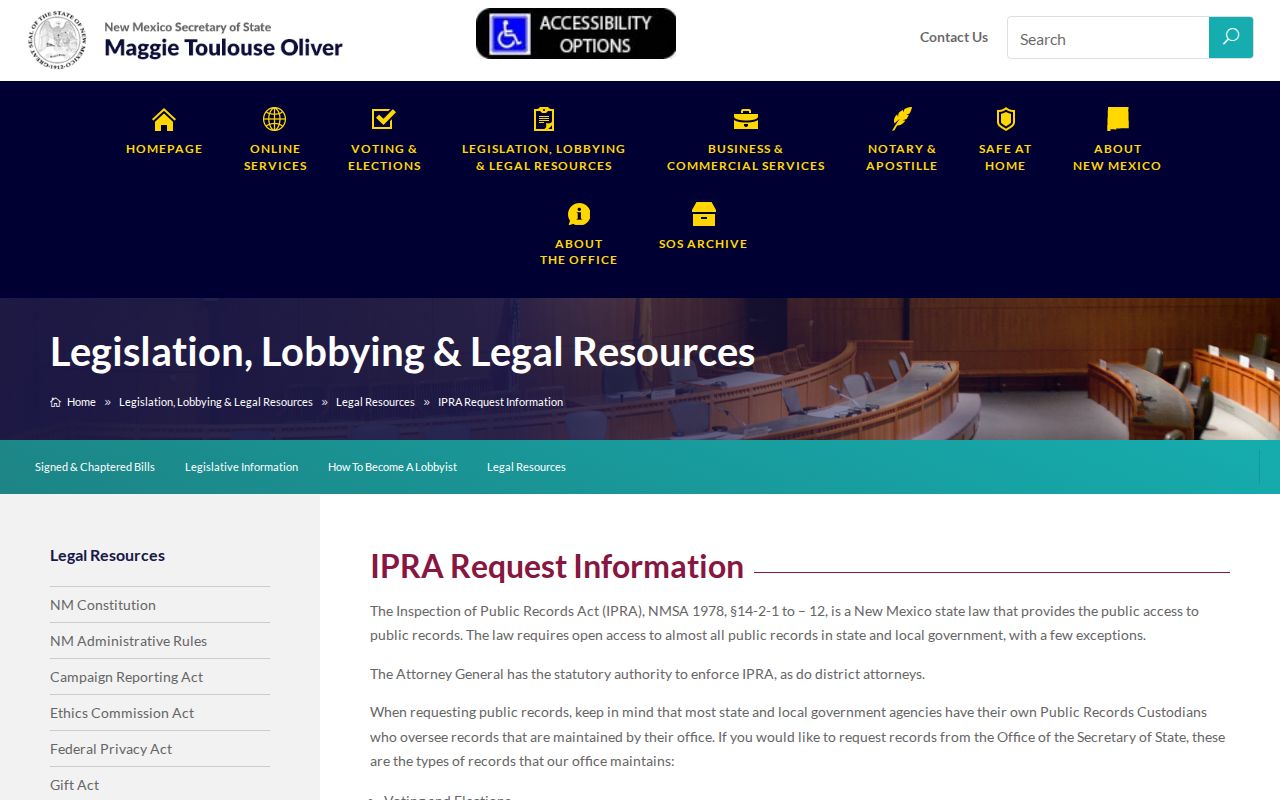
New Mexico Inspection of Public Records Act requests work best when they name the custodian, date range, location or identifier, and exact record category.
Current Las Cruces Resident Sources
There is no single current roll for every Las Cruces resident. Public sources show different relationships to a place or event. The Assessor’s account view can identify a property record. The Clerk’s index follows recording parties. The voter portal serves the voter’s own information. Court and custody systems have their own narrow scopes. Treat each source as a record of its stated purpose, not as a complete profile of a household.
| Las Cruces source | What it can support | Custodian | Access boundary |
|---|---|---|---|
| EagleWeb account | Parcel, assessment, transfer lead | County Assessor | Guest search is available |
| Documents Online | Official-record gateway | County Clerk | Additional detail follows guest or registered entry |
| Voter Information Portal | A voter’s own registration and election information | Secretary of State | First name, last name, DOB, County |
| JCMS Inmates Online | Current local booking roster | Doña Ana County | Time-sensitive roster, not a disposition |
| City association registration | Civic association context | Las Cruces City Clerk | Not a household directory |
A commercial people-finder category may bundle data from varied sources, but official systems provide the record’s scope and custodian. Compare a stable identifier and date before relying on any result. A public address field can be a property or registration address, not proof of an entire residency history.
The New Mexico Corrections Department Offender Search page illustrates the state-custody source that must be kept separate from a County booking roster or court case.
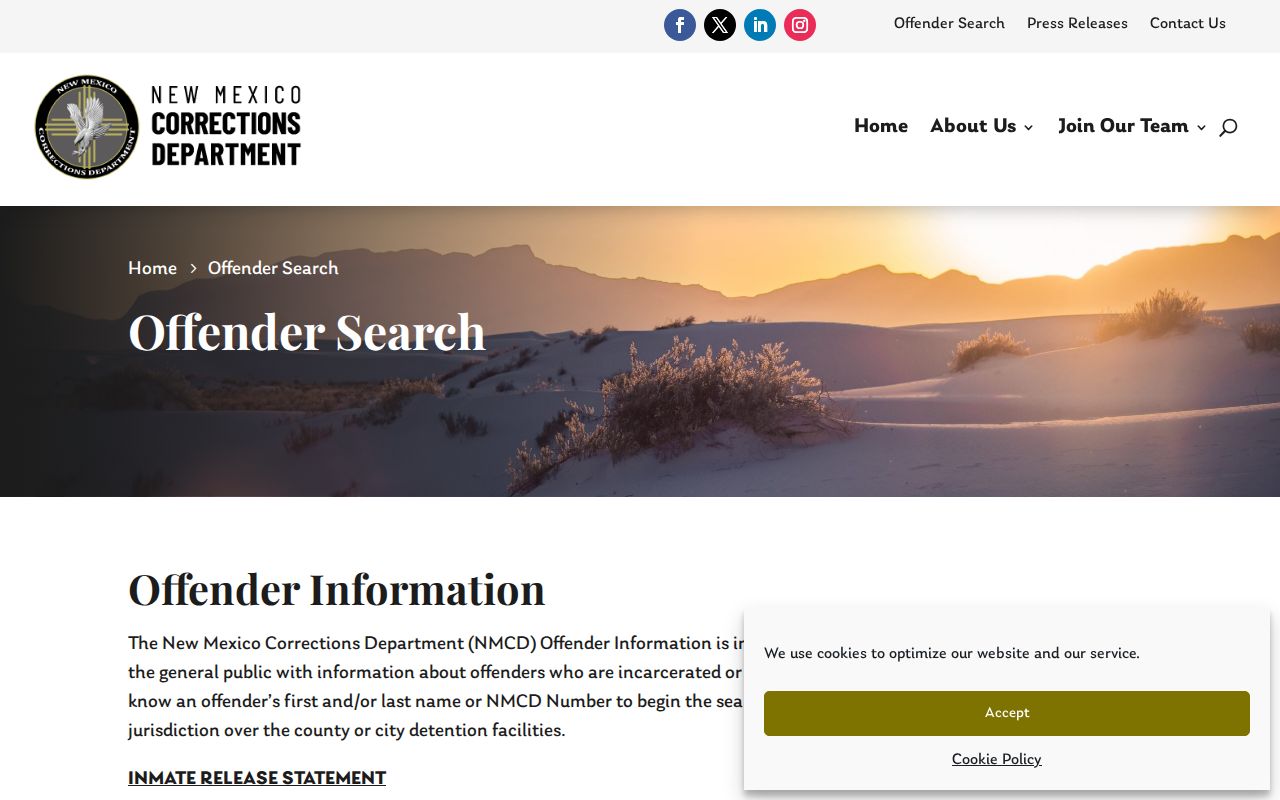
State corrections records and the County booking roster are separate systems, so a result in one does not answer what the other system tracks.
Las Cruces Court Access Has Limits
New Mexico Courts Case Lookup is the statewide public case-information route for appellate, district, magistrate, metropolitan, and municipal courts. Judiciary guidance describes name, case-number, and DWI search paths, with a name search that can be narrowed by date of birth. Its important limits are equally clear: Case Lookup does not supply documents, and juvenile and other protected categories are excluded. A name result therefore needs court, case number, date, and party-role checks.
re:SearchNM is a separate registered route for permitted research and does not remove confidentiality limits. Older court files before 1997 follow the Judiciary IPRA route; active or later matters go to the court clerk. Las Cruces matters may belong in Municipal Court, Magistrate Court, Third Judicial District Court, or federal court, depending on the proceeding. No one portal replaces the right clerk or official copy request.
The New Mexico public court access guide describes the public Case Lookup and registered research paths.
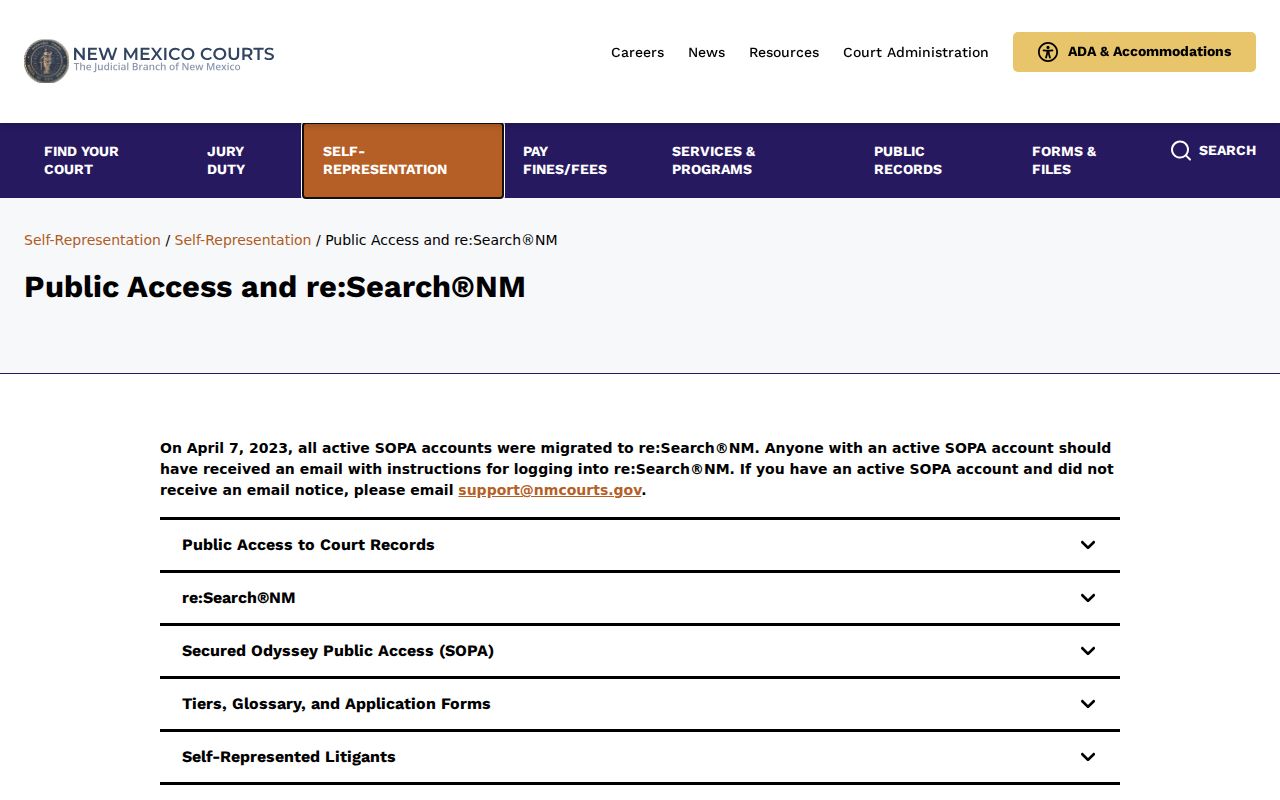
The court guide helps distinguish an index view from the clerk-copy or registered route needed when a public filing matters.
For federal cases, the PACER pricing page describes registered electronic access and its fees, while the Las Cruces federal courthouse has public terminals for viewing case information.
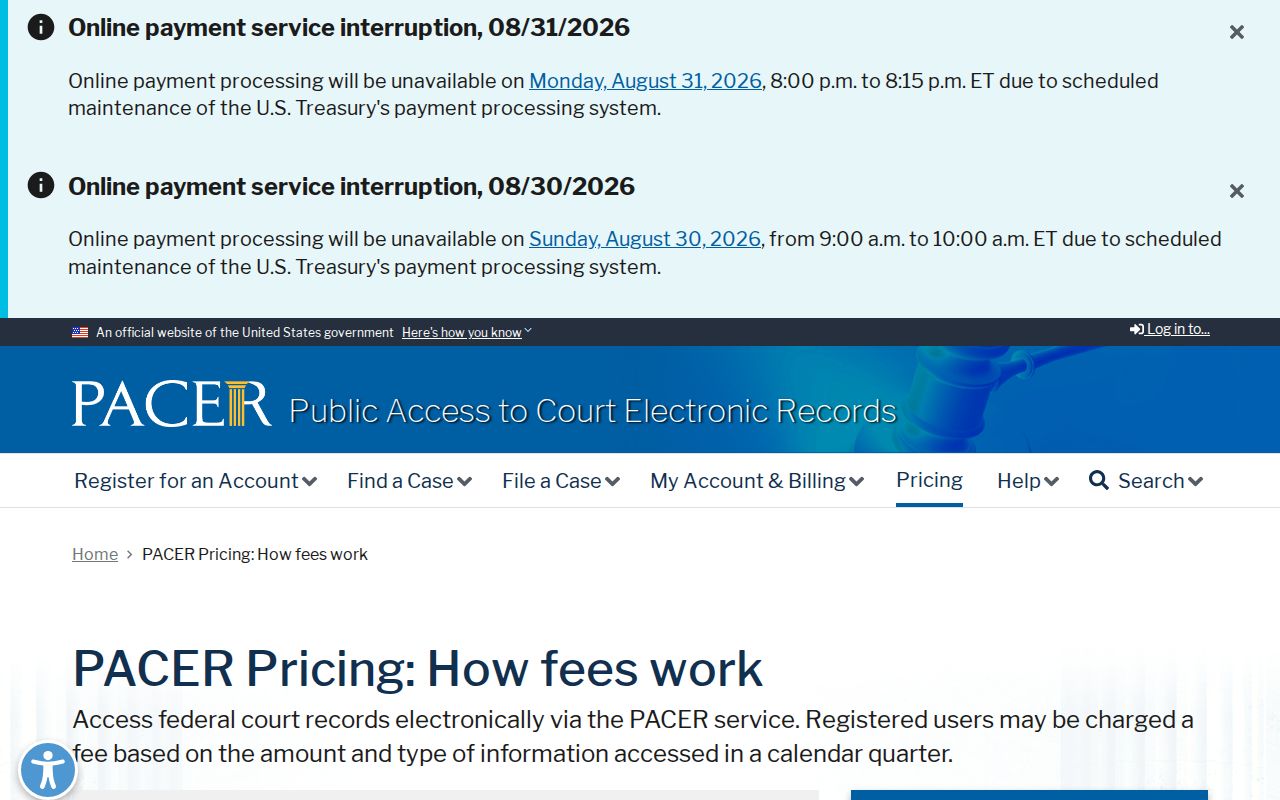
Federal access has its own rules and billing, so it should not be treated as an extension of the New Mexico state-court portal.
Las Cruces Voter Data Safeguards
The New Mexico Voter Information Portal is designed for a voter’s own registration, voting location, ballot-related services, and County context. Its observed blank form uses first name, last name, date of birth, and County. It is not a broad public name finder. A separate Secretary of State request process governs voter data and asks for purpose, jurisdiction, data selections, delivery choice, and requestor information.
New Mexico Safe at Home creates a substitute address for eligible participants. The program protects an actual address, telephone number, and email from public release absent a court order, with related voter-record protections. A missing street address may be intentional. Do not combine public fragments in an effort to defeat an address-confidentiality protection.
The New Mexico Safe at Home program explains the address-confidentiality route and its protections.
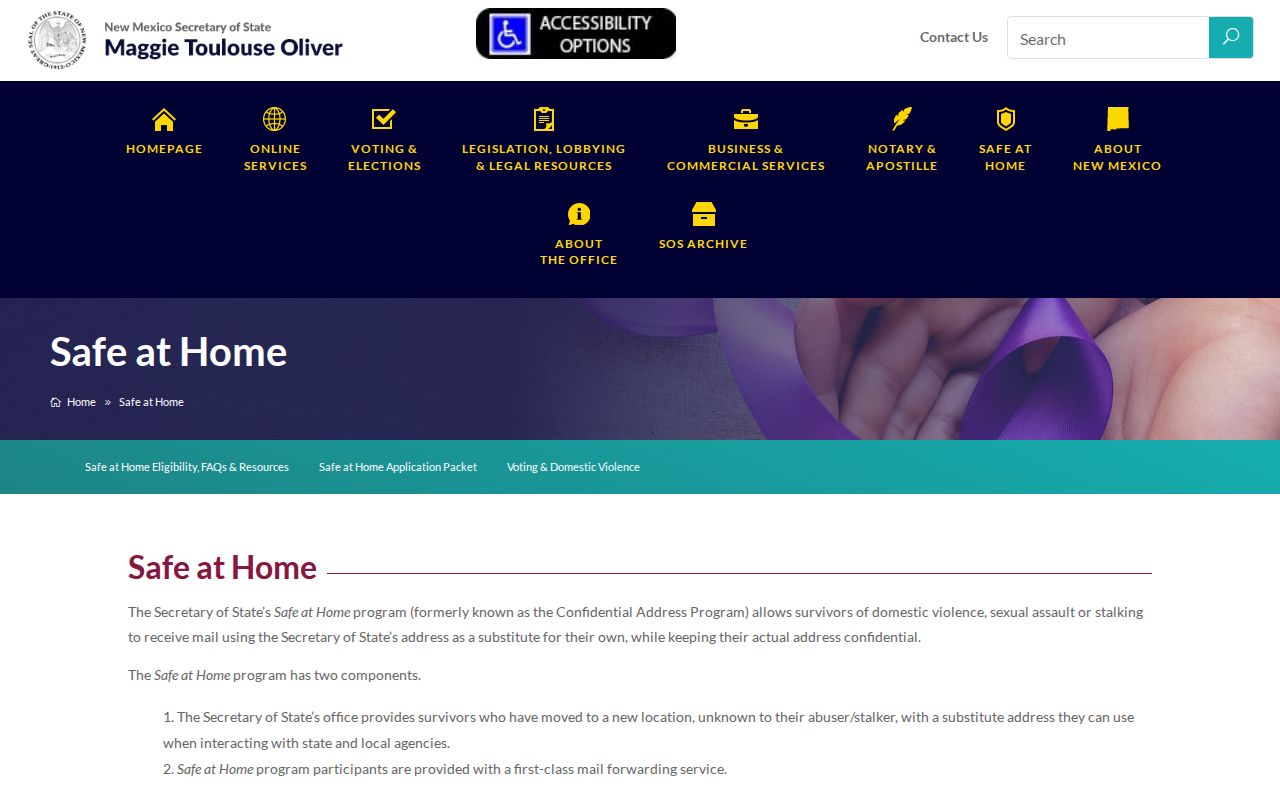
Protection and redaction rules are part of accurate record research, not a gap to work around.
Las Cruces ZIP Geography Needs USPS
Postal ZIP Codes, Census ZIP Code Tabulation Areas, assessor ZIP fields, and City limits describe different geography. USPS is the authority for delivery ZIP standardization. The Census says that ZCTAs are generalized representations of USPS service areas, not postal ZIP Codes themselves. EagleWeb can search or sort by City/Zip, and City Accela has a ZIP field, but neither replaces a USPS address result.
The Census interface associates ZCTAs 88001, 88003, 88005, 88007, 88011, 88012, and 88033 fully or partly with Las Cruces city geography. That is a planning list, not an exhaustive USPS table. The dynamic USPS City/State output was not captured in the research, so a street address should be confirmed in USPS before a postal conclusion is made.
Note: A delivery ZIP can cross a City boundary, so County GIS incorporated-boundary layers should route City and County record requests.
Historical Las Cruces Resident Sources
Historical work in Las Cruces starts with a local repository, not with an assumed online city-directory list. Thomas Branigan Memorial Library’s research sources include Ancestry Library Edition for in-library use, Chronicling America, FamilySearch, HeritageQuest, Digital Sanborn Maps New Mexico, historical newspapers, and New Mexico Collection materials. NMSU Archives and Special Collections and New Mexico State Archives add finding aids and collection material.
No verified year-by-year Las Cruces city-directory or reverse-directory shelf list was found during research. Ask Thomas Branigan staff or NMSU for the exact title, years, format, call number, access rules, and whether a volume is alphabetical or street order. A reverse directory can be a period clue to an address, but it is not a current-address authority. The historical collections and their careful use are developed in the Las Cruces city directory collections.
Library guides can identify a useful source, but access may depend on an in-library connection or a request to reference staff.
Las Cruces Vital Records Stay Restricted
New Mexico birth and death certificates are restricted. The Department of Health makes certified records available to the registrant or subject, immediate family, or a person with documented tangible legal interest. Birth records become available after 100 years when the registrant is deceased, and death records after 50 years. Marriage-license copies belong with the County Clerk where issued, while a divorce decree comes from the court that entered it.
For a death request, the official form calls for applicant information, relationship, decedent details, purpose, identification, payment, and signature. The listed fee is $5 per certificate, with a 6 to 12 week processing estimate. Use archival newspapers, probate, land, church, census, and family-paper sources when a certificate is not available or not needed for the research question.
The New Mexico Department of Health vital-records page gives the official starting point for certified-record rules and ordering paths.
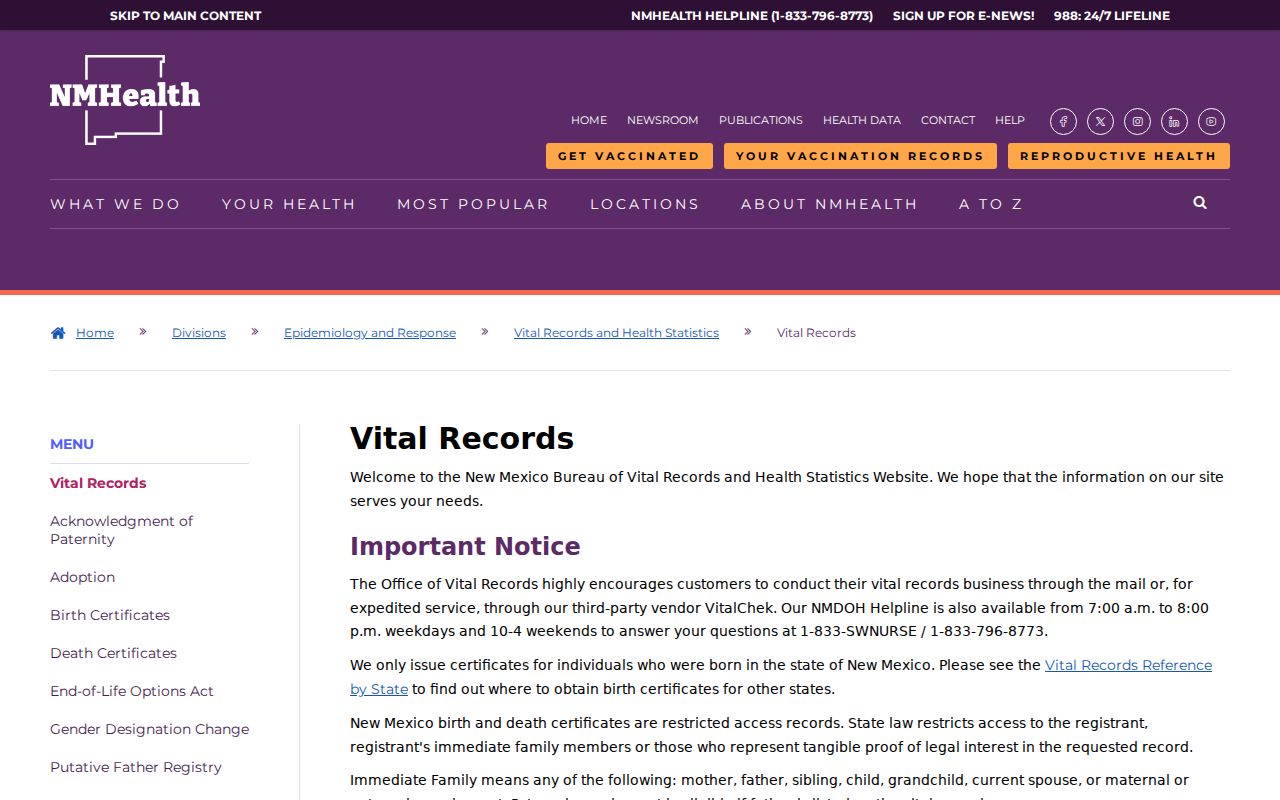
Vital-record access depends on the record type, date, eligibility, and the custodian’s current process.
Las Cruces History Needs Citations
Las Cruces history offers useful place clues without creating a complete household timeline. City history notes that Mesilla was the county seat when Doña Ana County formed in 1852, while today’s County offices are in Las Cruces. It also records that Depot Street is now Las Cruces Avenue. Those facts can guide a search for a historic place name, but they do not establish that every old address shares modern numbering.
NMSU’s Amador Family Papers add digitized correspondence from 1861 into the 1940s, more than 1,300 searchable images, local scenes, business records, and trade catalogs from 1873 to 1942. State Archives materials include county records generally through 1912. Preserve repository, collection title, box or folder, item date, access date, and a neutral statement of what each item supports. That record trail makes a later question reproducible.
A view of the New Mexico enterprise portal is included as a reminder that a statewide filing system has a separate purpose from local historical repositories.

Business filings can be a document source, but they do not prove a current physical address or replace the County property trail.